When you want to get more out of your fuel
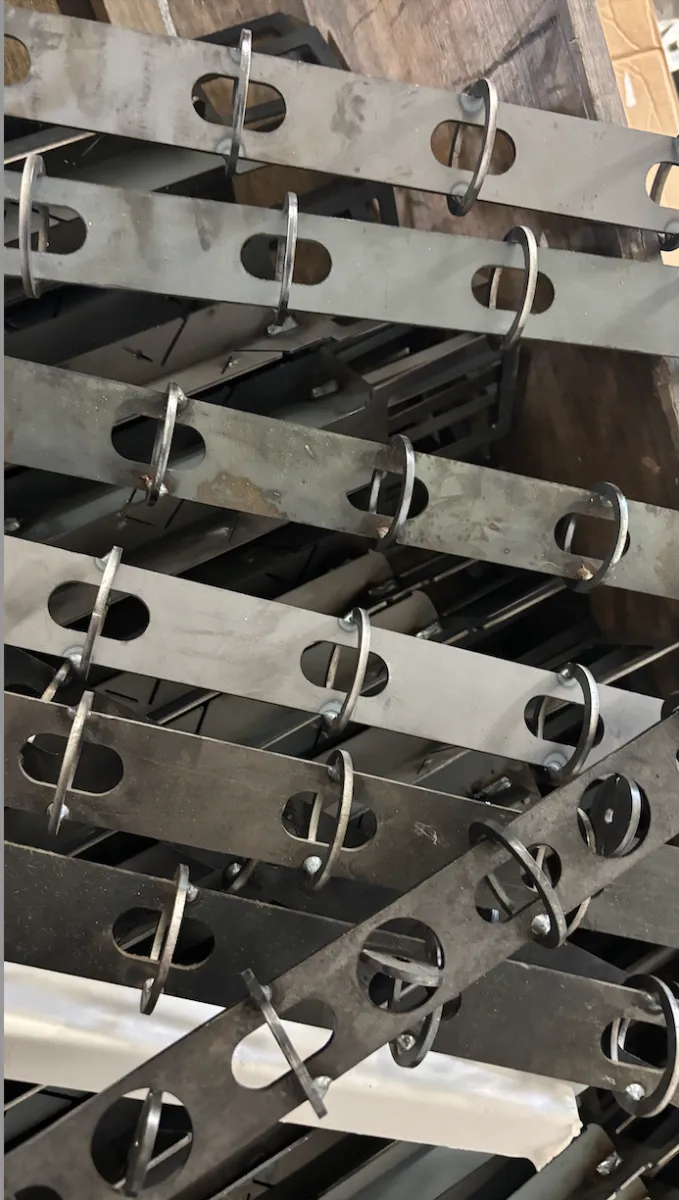
Burning wood produces hot flue gases that flow through the heat exchanger and then exit through the chimney. This is where the turbulator comes in. It’s a mechanical spiral or vane that is placed in the flue gas path of the boiler. Its job is to slow and agitate the flow of hot flue gases so that they have more time to transfer heat to the water in the heat exchanger.
In layman’s terms – instead of precious energy literally “going up the chimney”, it stays at home and heats your radiators or floor.
Efficiency that counts
With a turbulator, the boiler uses more energy from every log. Thanks to this:
- you burn less wood,
- you save money and the work of splitting and stacking,
- faster start-up of the heating system – the heat spreads faster.
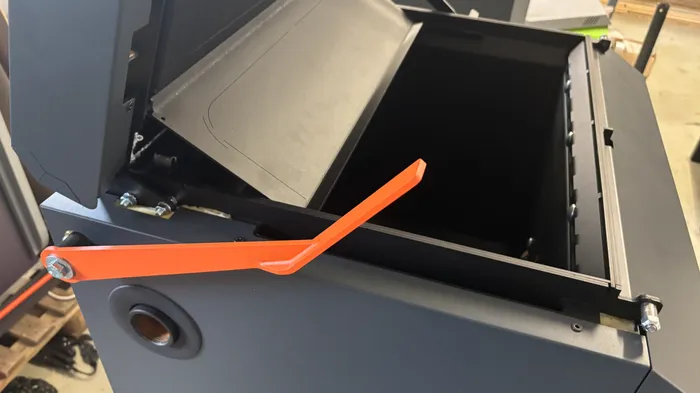
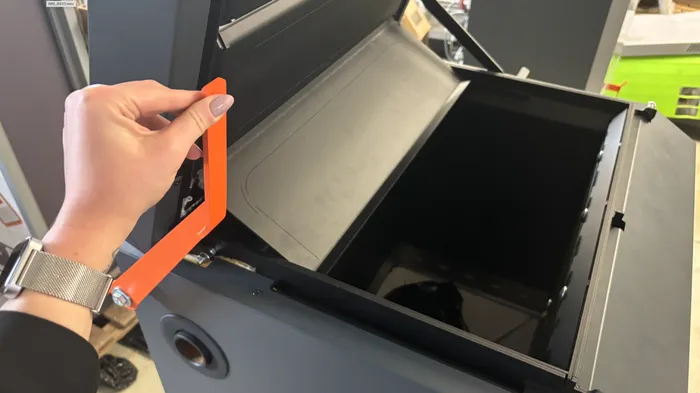
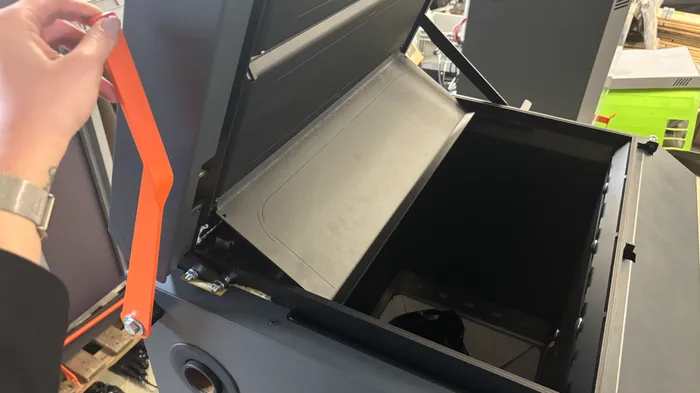
What’s more – with BLAZE HARMONY boilers, the turbulators are directly connected to the cleaning lever, which allows them to move across the heat exchanger. As a result, the walls of the heat exchanger remain clean and free of soot, which significantly promotes the functionality of the turbulators and thus efficient and economical wood heating. Just one movement of the lever – no complicated cleaning, no loss of performance.
In addition, you only need a smaller stock for the winter, which will be appreciated by anyone with limited space for fuel storage.
Modern heating without unnecessary losses
The turbulator is not a complicated piece of electronics – it is a purely mechanical part that works reliably and without maintenance. And although its principle is simple, the results are noticeable. Combined with a well-controlled combustion process (e.g. using a lambda sensor), it helps the boiler to operate with high efficiency and low emissions.
And this is exactly what will be increasingly required in the years to come – efficient and environmentally friendly heating without compromise.
(Source: drevostavitel.cz)
Related articles
-
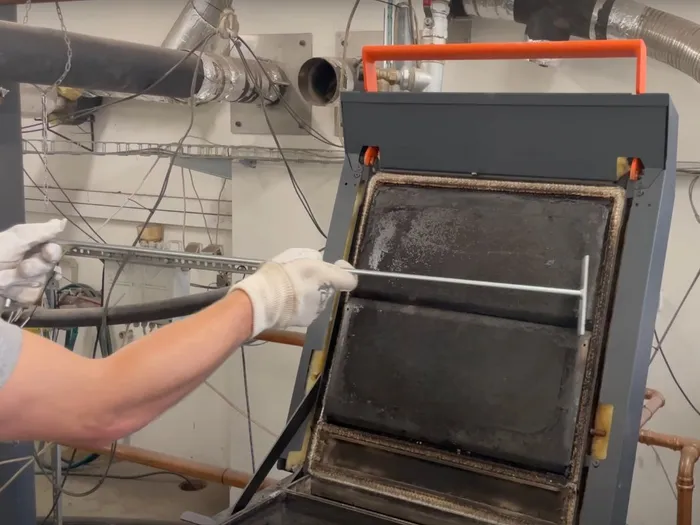
10 steps to prepare for the heating season with boilers from BLAZE HARMONY
The arrival of autumn means not only dropping temperatures, but also time to prepare your boiler for the upcoming heating season. Proper boiler preparation is the key to heating your home efficiently and safely. Here are some steps to help you prepare your boiler for the first flush after the summer break.
March 20, 2026
-
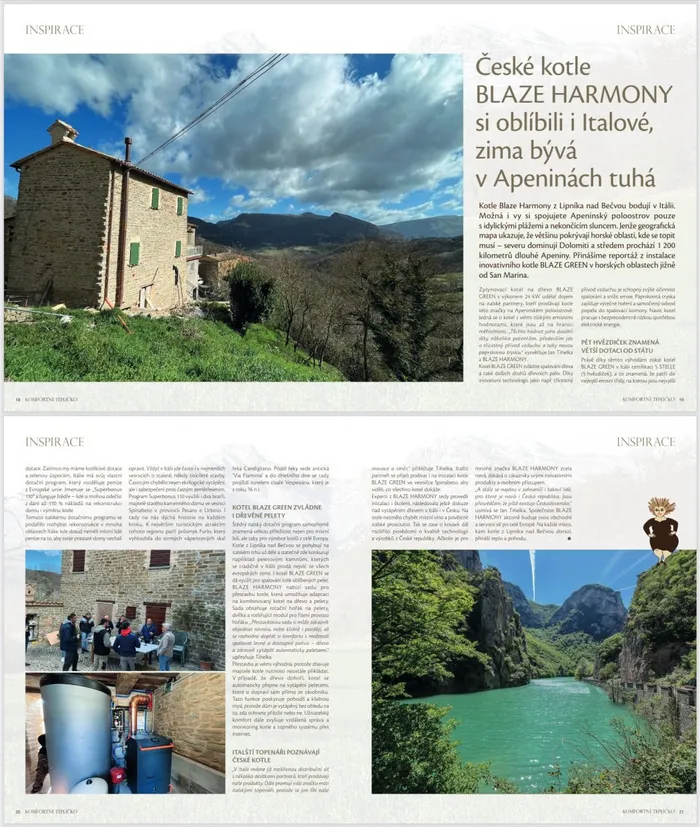
Czech boilers BLAZE HARMONY are also popular with Italians, the winter in the Apennines is usually hard
In the last issue of Komfortní teplíčko magazine, which is dedicated to comfortable heating with pellets, briquettes and other wood fuels, there was an article about a fresh reference and installation of our ecological wood boiler BLAZE GREEN in Italy. We bring you a transcript of this article with interesting information that will give you an insight into how they dealt with wood biomass heating in this southern European country.
March 19, 2026
-
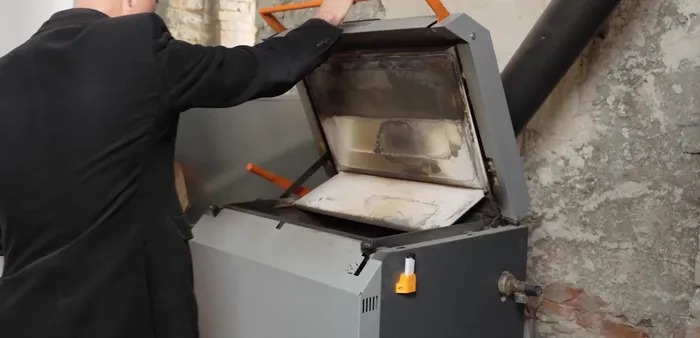
How to prepare the boiler for the heating season
The year has come and gone, the temperatures are dropping below zero and the morning frost is a reminder that winter is really around the corner. And as they say – repetition is the mother of wisdom. Just like every year, now is the time to check and prepare your boiler so that it’s in full shape for a proper heating.
Proper preparation will ensure safe, efficient and economical operation all season long. Here are ten steps that are worth following before you fire up your furnace for the first time.
March 19, 2026